
Job lots and clearance
Selling second-hand electricals in the UK: safety checks for resellers
Reselling hair dryers or straighteners from a job lot makes you the seller of mains electrical goods. What trading standards expect: plug, cable and recall checks, PAT testing, honest listings and records.

A job lot of hair dryers and straighteners can be good stock for a reseller. It also makes you the seller of mains electrical goods, and if you sell as a business, that comes with a legal duty to make sure what you sell is safe. Here's what that means in practice, based on the guidance trading standards give businesses.
Business or private seller?
The product safety rules are aimed at businesses. Electrical Safety First points out that the same legal duties don't apply to someone clearing out their own things. If you buy stock to sell on for profit, treat yourself as a business seller. Online marketplaces now report sellers' details to HMRC too: see GOV.UK's guidance for people selling on digital platforms, and our guide to starting to resell in the UK for the tax basics.
What the law expects, in plain words
Business Companion says businesses selling second-hand electrical goods have a duty under the General Product Safety Regulations 2005 to sell only safe products, and that this applies online as well as in a shop. A seller who supplies an unsafe item that causes injury or damage may have to pay compensation.
Checks before you list anything
- Recalls. Search the brand and model on the GOV.UK product recalls and alerts list and Electrical Safety First's product checker. Don't sell a recalled item.
- Plug. Trading standards guidance looks for a UK three-pin plug to BS 1363, with sleeved live and neutral pins and the correct fuse.
- Cable. No cuts, fraying, exposed wires or heat damage, especially where the cable meets the plug and the body.
- Casing. No cracks, missing covers, scorch marks or burning smell.
- Markings. A UKCA or CE mark and the maker's rating label. Trading standards suggest not selling items without them.
- Function. Switch it on safely and check it does what it should: heat settings, fan speeds, switches and any auto shut-off.
- Parts. Note anything missing, such as a diffuser, nozzle or stand, in the listing.
Hair tools: what to look at closely
- Hair dryers: a clear intake filter, no burning smell, and the cool shot button working.
- Straighteners and tongs: plates intact and clean, the swivel cable turning freely, the auto shut-off working if it has one.
- Heated rollers: every roller and clip present, and the base heating evenly.
- Hot air stylers: brush heads that lock on and release properly.
Do you need to PAT test?
Portable appliance testing (PAT) isn't named in the law as a requirement for resale. Trading standards guidance still recommends it: Business Companion's advice is not to sell second-hand electricals without a UKCA or CE mark and a dated PAT label, and to keep the test reports, because enforcement officers may ask for them. It also warns that a PAT test won't find every hazard, so your own physical checks still matter. A test by someone qualified, plus your own checks and records, is the clearest way to show you took reasonable care.
Items you can't test, or that fail
- If you haven't tested an item, don't describe it as working. Say "untested" plainly, and price it that way.
- If something fails, take it to an electrical recycling point, or check the trading standards guidance before you sell anything faulty, even as spares.
- Some trading standards services advise against reselling second-hand electric blankets, because their history can't be known. Take the same care with heat pads.
Describe it honestly
| Wording | Use it when |
|---|---|
| Tested and working | You've checked it yourself, with a PAT test if you use one |
| Untested | You haven't been able to test it |
| For spares or repair | It doesn't work, and you've checked the guidance on selling it |
Then give the brand, model, what's included and any marks, with photos of the actual item.
Keep records
For each item, note the lot it came from and the date, the serial number, what you checked and any test result. If a recall is announced later, you'll know which items it affects.
How our lots are described
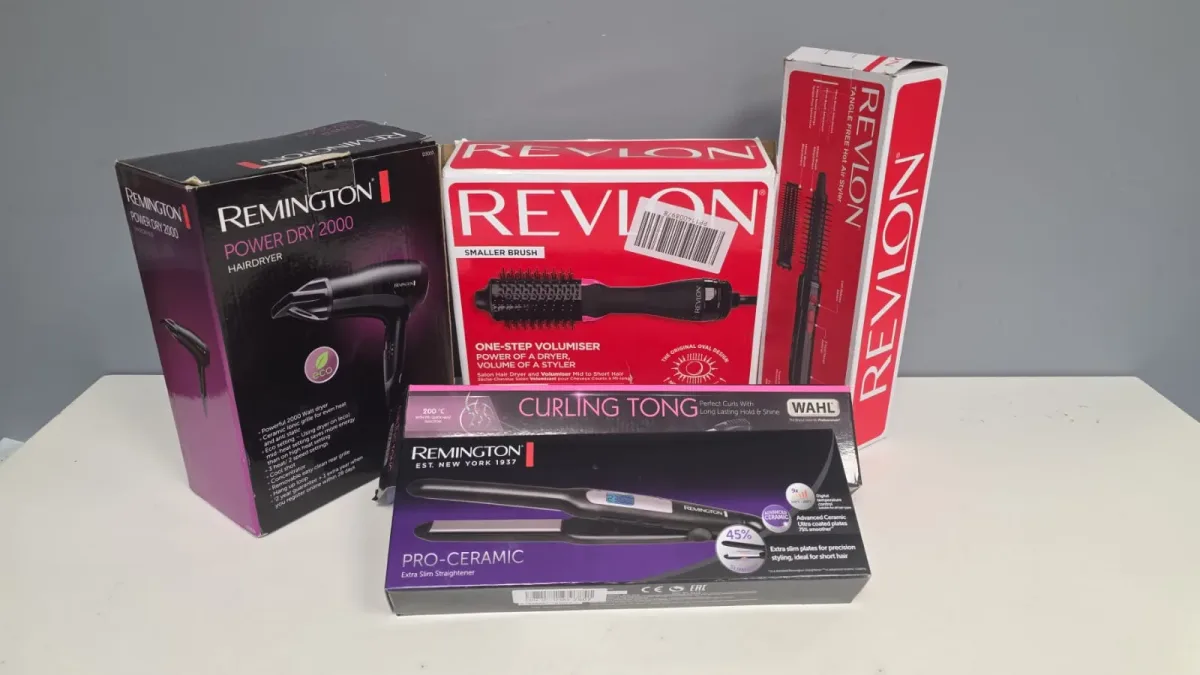
Our job lots are unchecked customer returns. We haven't tested the items, and every lot listing says so, with photos of the exact items and the model numbers where they're readable, so you can run recall checks before you buy. See our condition guide for what each grade means.
Questions people ask
Do I need to PAT test electrical items before selling them?
The law doesn't name PAT testing as a must. Trading standards guidance still suggests a dated PAT label for second-hand electricals sold by a business, and a test record helps show you took reasonable care.
Can I sell electrical items as untested?
You can describe an item as untested, but a business still has a duty not to sell unsafe goods. At the least, check the plug, cable and casing and run a recall check.
How do I check if an electrical item has been recalled?
Search the brand and model on GOV.UK's product recalls and alerts list and on Electrical Safety First's product checker, and compare the serial number if the recall gives one.
Do these rules apply to private sellers?
Electrical Safety First notes that the same legal duties don't apply to people selling their own things privately. If you buy stock to resell, treat yourself as a business.
New to lots? Read what is a job lot and customer returns explained.
Sources we used
- Business Companion: second-hand electrical goods, checked 21 November 2026.
- GOV.UK: product recalls and alerts.
- GOV.UK: study into second-hand sales of electrical products, carried out by Electrical Safety First.
- GOV.UK: selling goods or services on a digital platform.


